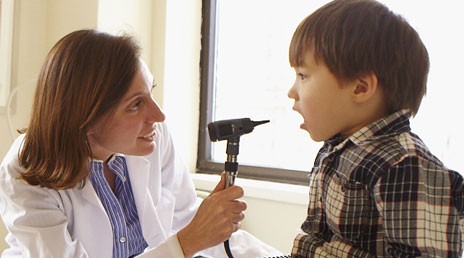
Cold vs. Flu

It can happen any time of year: One day you start having that annoying cough accompanied by sneezing, sore throat and runny nose. Do you have a cold or the flu? Why is it important to know? The flu and common cold are both viral respiratory illnesses that can have similar symptoms. It is sometimes difficult to tell them apart, but generally the flu is worse than the common cold. Flu symptoms usually last 1 to 2 weeks, while a cold tends to make you feel bad for just a few days. While most likely to affect us during the winter and fall months, the viruses that cause colds and the flu are around us all the time. Keeping an eye out for symptoms, avoiding potential complications, focusing on prevention, and informing yourself about available treatments will help you do what you can to keep both colds and the flu at bay all year long.

Symptoms

With a cold, it is common to have sneezing, a sore throat and a stuffy nose. These symptoms, though, all usually disappear within a week. You may feel weak with a cold, but rarely will you have the extreme exhaustion, chills, lingering body aches and/or headache that come along with the flu. Mild fevers that are only sometimes present with a cold will typically last longer with the flu and range in the higher temperatures (100°–102° F). With a cold, you may experience a moderate cough, but if it turns to chest pain that can become severe, you likely have the flu.

Complications

While complications stemming from a cold can cause sinus infections or middle ear infections, complications from the flu can potentially result in more serious health problems, such as sinusitis, pneumonia, intense ear infections and bronchitis. If severe enough, the flu can even be life-threatening and/or require hospitalization.

Prevention

To prevent catching a cold or the flu, the most effective thing you can do is wash your hands often. Also try to avoid close contact with anyone who already has a cold. In addition, you can get your annual flu shot in an attempt to protect yourself from the flu virus.

Treatment

Both illnesses are often treated with over-the-counter decongestants, pain relievers and fever-reducing medicines. In some cases, prescription antiviral drugs may also be given as flu treatment. You should consult your doctor for more information about these and other kinds of flu treatments.

At Mount Sinai Urgent Care, we are always available to answer any questions so that you can make the most informed decision for yourself and your family.You can walk in without an appointment during our convenient daytime, evening, and weekend hours. We accept most insurance providers.

OB/GYN Team Works to Establish New Global Health Site in Botswana

Mount Sinai Global Women’s Health Team in Botswana, wearing medical uniforms donated by FIGS scrubs.

This past August, the Department of Obstetrics, Gynecology and Reproductive Scienceat the Icahn School of Medicine sent a team of maternal-fetal medicine specialists and gynecologic surgeons to Letsholathebe II Memorial Hospital in Maun, Botswana to establish a new global health site.

Being nominated as part of this team was truly an honor. I’ve been an active member of our department’s Global Women’s Health Program for the past four years, primarily working as an obstetrician in a remote area of Guatemala. However, this was my first experience in actually working to establish a new site.

(more…)

“Medical Mall” Concept in Brooklyn

The opening this year of Mount Sinai Doctors Brooklyn Heights brings coordinated, efficient and quality outpatient medical care to the borough for the very first time.  Medical care at this office, located at 300 Cadman Plaza West (One Pierrepoint Plaza) on the 17th and 18th floors, is community-based and convenient.  I am the medical director of what our patients have been referring to as “medical services under one roof” or a “medical mall”.   I’m also the medical director of WESTMED Practice Partners, a company that builds and manages large centers like this for comprehensive outpatient care.

(more…)

Early Detection of Ovarian Cancer

Ovarian cancer is a heterogeneous and rapidly progressive disease of low prevalence and poor survival. In the United States the number of deaths attributed to ovarian cancer approximates that of all other gynecologic malignancies combined.  Unfortunately, the majority (75%) of women diagnosed with ovarian carcinoma continue to have advanced stage disease (Stage III/ IV), with widespread metastases throughout the peritoneal cavity, lymph nodes, liver or lungs. Presently less than 20% of women with ovarian cancers are detected when the cancer is still confined to the ovary (Stage I).

(more…)

Mount Sinai Neurosurgeon Uses New Device to Treat Brain Tumors

Glioblastoma (GBM)  is the most common and most aggressive brain tumor, known to be a highly invasive and rapidly spreading disease. Even with aggressive treatment such as surgery, radiation, and chemotherapy, they are almost always incurable.

The Mount Sinai Comprehensive Brain Tumor Program is pioneering the use of electrical tumor treating fields to be used with conventional therapy. The device, manufactured by Novocure, is called NovoTTF and it is FDA approved for recurrent GBM. It consists of a head cap that produces changes in electrical fields, which is worn continuously.

(more…)

Bill Weinzimmer: Advanced Prostate Cancer Survivor

My name is Bill Weinzimmer and I am an advanced prostate cancer survivor. When I was diagnosed 18 years ago, I was told I only had 18 months to live. Thanks to the amazing care I received from Dr. Simon J. Hall at The Mount Sinai Hospital, and the significant changes I made in my life, I am still alive and active 18 years later at 83-years-young. I hope  my experiences and tips will provide inspiration to others diagnosed with cancer, as well as to their families.

(more…)

Pin It on Pinterest