Why Are You Having Chest Pains?


“This is a great question and, obviously, a very important distinction to make given that one is a very common condition easily treated and the other one is potentially a sign of a serious medical condition. So, most importantly are going to be the characteristics of the pain that you’re having. With reflux disease — heartburn — typically people are going to feel a sense of burning that usually starts either in the stomach. Maybe you get a burning sensation in the back of your mouth. Oftentimes this comes with either a cough or a sour taste — frequently linked with food or symptoms that you get when you wake up in the morning when you have that sense of heartburn. Chest pain due to heart disease can sometimes be similar. But more classically, it’s a pressure-like pain, like an elephant sitting on your chest so much so that it stops you from doing what you’re doing. Frequently linked with exertion. So, if you’re getting pain when you’re climbing stairs, walking down the street, exercising: 1) you should always stop and rest and 2) it may be linked to your heart, so at that point, you definitely want to make an appointment to see your doctor. If you’re ever getting pain in your chest on exertion that’s not getting better with rest, then you definitely want to call 911 and get emergently seen by a physician. Now if you’re concerned and you’re having chest pain with exertion for instance, but it’s kind of burning, it’s maybe not pressure, you definitely want to talk to your doctor because sometimes these pains can overlap. If you’re someone who’s at high risk for heart disease — you have diabetes or high blood pressure or you’re smoker or even if you’re over the age of 50 — it’s probably worth talking to your doctor about that. If you need to see a doctor, clearly you can see myself or any of my colleagues at Mount Sinai Doctors Brooklyn Heights.”
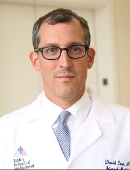
Photo of DAVID COUNDavid Coun, MD, is a board-certified primary care doctor and Chief of Internal Medicine at Mount Sinai Doctors Brooklyn Heights. He has lectured regularly on various topics, including smoking cessation, prostatic conditions, EKG review, and physician communication skills. Dr. Coun is fluent in Spanish and has a particular interest in prevention, as well as, the intersection between mental health and chronic medical conditions. Mount Sinai Doctors Brooklyn Heights is a two-floor practice with a walk-in urgent care center and more than 35 specialties. Located at 300 Cadman Plaza West, the practice is situated on the 17th and 18th floors.

What Is An Irregular Heartbeat?

“Irregular heartbeat is also called arrhythmia. Usually, it is related to a fast heart rhythm. A heart rate or heart rhythm can be felt in your wrist with two fingertips, and usually a heart rate of 100 is considered a fast heart rate. The heart rate which is fast and irregular in elderly people could indicate significant heart disease. The common cause of irregular heartbeat, which is also called defibrillation, is seen in people with high blood pressure. Usually people with irregular heartbeat feel a fluttering sensation in their chest, also called palpitations. Sometimes excessive caffeine or coffee intake, alcohol, or nicotine can also cause an irregular heartbeat. Sometimes an irregular heartbeat in young people may not be a significant concern. However, if you have any concern, you need to seek a cardiologist.”

Photo of Ramesh GowdaRamesh Gowda, MD is a board-certified cardiologist at Mount Sinai Doctors Brooklyn Heights. Mount Sinai Doctors Brooklyn Heights is a two-floor multispecialty practice with a walk-in urgent care center and more than 35 specialties. Located at 300 Cadman Plaza West, the practice is situated on the 17th and 18th floors.

Why Does My Chest Hurt When It’s Cold?

“The uncomfortable feeling in the chest during cold weather usually is related to changes in temperature and humidity. We are not clear exactly what’s the cause of this discomfort in the chest. But it is felt that the chest and the ribs rejoins the breastbone. It’s the cartilage called the joint space – that can swell up in cold weather and that can give you some uncomfortable feeling in the chest. However, if people have chest pain, especially when they’re shoveling snow and especially if they’re elderly, that could indicate that they could have a significant heart condition. If the discomfort in the chest increases while increasing workload and it has associated symptoms – difficulty breathing and nausea, vomiting – you should seek medical attention. Just a simple chest discomfort with cold weather could be just related to the cold weather and it should go away and it’s not of a concern.”

Photo of Ramesh GowdaRamesh Gowda, MD is a board-certified cardiologist at Mount Sinai Doctors Brooklyn Heights. Mount Sinai Doctors Brooklyn Heights is a two-floor multispecialty practice with a walk-in urgent care center and more than 35 specialties. Located at 300 Cadman Plaza West, the practice is situated on the 17th and 18th floors.

Why Does My Chest Hurt When It’s Cold?

"The uncomfortable feeling in the chest during cold weather usually is...

GLP-1 Medications Explained: What You Should Know

GLP-1 medications are now a major topic in health care and the news. These drugs can help people...

Is Taking 10,000 Steps a Day Necessary for Optimal Health?

Taking a walk is an easy way to move your heart to better health. Some studies recommend walking...

What Is Congestive Heart Failure?

"Congestive heart failure, also called CHF or heart failure in a simple...
Doctor is using a stethoscope listen to the heartbeat of a patient.

When Should Adolescent Congenital Heart Patients Transition to Adult Care?

Ali Zaidi, MD, Director for Adult Congenital Heart Disease, discusses when–and the importance of–adolescent heart patients transitioning to adult care.

What Is A Normal Heart Rate?

“A heart rate is the number of times the heart beats, and usually it is felt in your wrist with two fingertips. Heart rate varies between 60 to 100 beats per minute, so anything less than 60 beats per minute is considered a low heart rate and anything more than 100 is considered a fast heart rate. Usually athletes or people who are physically fit have a very low heart rate, and it is not of concern. Sometimes the heart rate goes less than 40 or 35 beats per minute, and you can feel dizzy and weak. That is a concern, so you need to seek medical attention. Sometimes a fast heart rate can also make you feel weak and could also see be seen in people with fever, anemia, thyroid disease, or a significant heart condition. Normally, a healthy heart rate is about 60 to 70 beats per minute. A lot of times with people with heart disease, we give medications called beta blockers to slow the heart rate, so the heart pumps efficiently and is also in a good healthy condition.”

Ramesh Gowda, MD is a board-certified cardiologist at Mount Sinai Doctors Brooklyn Heights. Mount Sinai Doctors Brooklyn Heights is a two-floor multispecialty practice with a walk-in urgent care center and more than 35 specialties. Located at 300 Cadman Plaza West, the practice is situated on the 17th and 18th floors.

What Is Congestive Heart Failure?

“Congestive heart failure, also called CHF or heart failure in a simple term, is usually because of an inefficient performance of the heart. The heart has four chambers — two top chambers and two bottom chambers. When you have congestive heart failure, usually the chambers are enlarged and the left bottom wall chamber, called the left ventricle, is working inefficiently. When you have congestive heart failure, there is a water buildup around the heart and in the lungs, abdomen, liver, and the lower extremity. Usually, when you have congestive heart failure, you should take less salt and also probably should take medication called “water pills.” The common cause of congestive heart failure is usually high blood pressure, or a blocked artery because of poor circulation, or significant valve order disease. If you have concerns or questions about congestive heart failure, we recommend you see a cardiologist. I’m a board certified cardiologist at Mount Sinai Doctors in Brooklyn Heights. You can either see me or one of my colleagues who can do an echocardiogram or some other modality to evaluate if you have congestive heart failure and what’s the best way to help and treat heart failure.”

Ramesh Gowda, MD is a board-certified cardiologist at Mount Sinai Doctors Brooklyn Heights. Mount Sinai Doctors Brooklyn Heights is a two-floor multispecialty practice with a walk-in urgent care center and more than 35 specialties. Located at 300 Cadman Plaza West, the practice is situated on the 17th and 18th floors.